Table of Contents
Diabetes has become one of the most common lifestyle-related diseases worldwide, and by 2026, its impact is projected to be even greater.
Due to changing dietary habits, increasing stress levels, sedentary lifestyles, and genetic factors, millions of people are diagnosed with diabetes every year.
According to global health estimates, diabetes affects people of all ages, from children to the elderly.
Understanding the causes and symptoms of diabetes in its early stages is crucial to prevent serious complications such as heart disease, kidney failure, nerve damage, and vision loss.
This comprehensive guide explains in simple language what diabetes is, its causes, early symptoms, types of diabetes, and the latest treatment options available in 2026, making it easy for anyone to understand.
What Is Diabetes?
Diabetes is a chronic metabolic disorder in which the body is unable to properly regulate blood sugar (glucose) levels.
Glucose is the main source of energy for the body. The hormone insulin, produced by the pancreas, helps glucose enter the cells. Diabetes occurs when:
- The body does not produce enough insulin, or
- The body cannot effectively use insulin
As a result, blood sugar levels rise abnormally, leading to various health problems over time.
Why Understanding Diabetes Causes and Symptoms Is Important
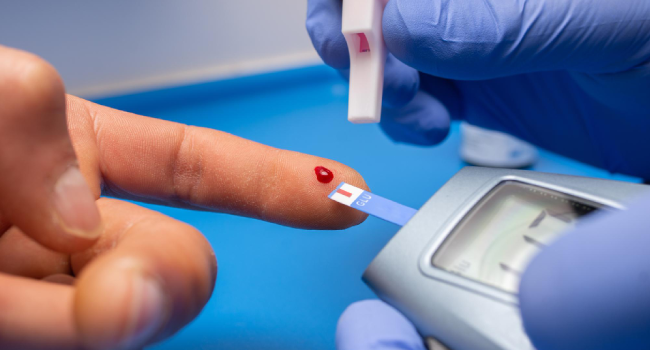
Many people live with diabetes for years without knowing it. Early symptoms are often mild and ignored. However, untreated diabetes can silently damage vital organs.
Understanding diabetes causes and symptoms helps in:
- Early diagnosis
- Better disease management
- Preventing long-term complications
- Improving quality of life
Major Causes of Diabetes in 2026
1. Unhealthy Diet and Processed Foods
One of the biggest contributors to diabetes is poor dietary habits. In 2026, increased consumption of:
- Sugary beverages
- Refined carbohydrates
- Ultra-processed foods
- Fast food and packaged snacks
High sugar intake forces the pancreas to overwork, eventually reducing insulin efficiency.
2. Sedentary Lifestyle
Physical inactivity is a major risk factor. Desk jobs, screen time, and reduced outdoor activity slow down metabolism and increase insulin resistance.
Even moderate daily exercise can significantly reduce diabetes risk.
3. Obesity and Excess Body Fat
Excess fat, especially around the abdomen, interferes with insulin function. Obesity is strongly linked with:
- Type 2 diabetes
- High blood pressure
- Heart disease
Maintaining a healthy weight plays a vital role in diabetes prevention.
4. Genetic Factors
Family history increases the likelihood of developing diabetes. If parents or siblings have diabetes, the risk is higher.
Genetics combined with lifestyle choices greatly influence disease onset.
5. Chronic Stress and Sleep Disorders
Long-term stress releases hormones like cortisol, which increases blood sugar levels. Poor sleep patterns also disturb insulin regulation.
In 2026, stress-related diabetes cases are rising rapidly due to work pressure and lifestyle imbalance.
6. Hormonal Imbalances and Medical Conditions
Certain conditions such as:
- Polycystic Ovary Syndrome (PCOS)
- Thyroid disorders
- Pancreatic diseases
can contribute to diabetes development.
Learn more about the 10 Best Remedies For Joint Pain Relief.
Early Signs and Symptoms of Diabetes
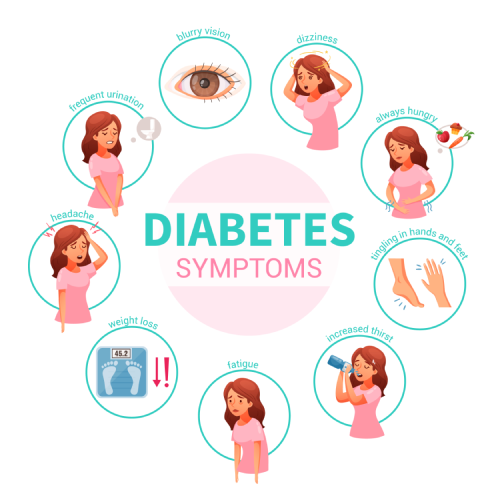
Recognizing diabetes causes and symptoms early can prevent complications.
Common Symptoms of Diabetes
- Frequent urination
- Excessive thirst
- Increased hunger
- Unexplained weight loss
- Fatigue and weakness
- Blurred vision
- Slow healing of wounds
- Frequent infections
These symptoms occur due to excess glucose circulating in the blood.
Symptoms Often Ignored
Many people ignore mild symptoms such as:
- Tingling in hands and feet
- Dry skin
- Mood changes
- Difficulty concentrating
Ignoring these signs delays diagnosis.
Types of Diabetes Explained
1. Type 1 Diabetes
Type 1 diabetes is an autoimmune condition where the immune system attacks insulin-producing cells.
Key features:
- Usually develops in children or young adults
- Requires lifelong insulin therapy
- Not caused by lifestyle factors
2. Type 2 Diabetes (Most Common)
Type 2 diabetes accounts for over 90% of cases worldwide.
Key features:
- Develops due to insulin resistance
- Strongly linked to lifestyle and obesity
- Can be managed with diet, exercise, and medication
Understanding diabetes causes and symptoms is especially critical for preventing Type 2 diabetes.
3. Gestational Diabetes
Occurs during pregnancy due to hormonal changes.
Key features:
- Temporary but increases future diabetes risk
- Requires careful blood sugar monitoring
- Affects both mother and baby if unmanaged
4. Prediabetes
A warning stage where blood sugar levels are higher than normal but not high enough for diabetes diagnosis.
Prediabetes is reversible with lifestyle changes.
Diabetes Diagnosis Methods in 2026
Modern diagnostic tools make detection easier and faster.
Common Tests Include:
- Fasting Blood Sugar Test
- HbA1c Test
- Oral Glucose Tolerance Test
- Random Blood Sugar Test
Digital health monitoring and AI-driven diagnostics are becoming more common in 2026.
Treatment Options for Diabetes in 2026
1. Lifestyle Management (Foundation of Treatment)
Lifestyle changes remain the most effective approach.
Healthy Diet
- High-fiber foods
- Whole grains
- Lean protein
- Reduced sugar and refined carbs
Regular Physical Activity
- Walking
- Yoga
- Strength training
2. Oral Medications
For Type 2 diabetes, medications help:
- Improve insulin sensitivity
- Reduce glucose production
- Control blood sugar levels
Newer drugs in 2026 offer better control with fewer side effects.
3. Insulin Therapy
Used for:
- Type 1 diabetes
- Advanced Type 2 diabetes
Modern insulin pens and smart pumps allow precise dosing.
4. Advanced Technologies in 2026
- Continuous Glucose Monitoring (CGM)
- AI-powered insulin pumps
- Mobile diabetes management apps
- Personalized treatment plans
These innovations improve long-term disease control.
Conclusion
In 2026, diabetes remains a major global health concern, yet it is also one of the most manageable chronic diseases if detected early.
Understanding the causes and symptoms of diabetes, adopting healthy lifestyle habits, and utilizing modern treatment methods can empower individuals to live long and fulfilling lives.
Early detection, proper care, and consistent monitoring are the cornerstones of effective diabetes management.