Table of Contents
Women’s health is influenced by various factors, such as hormones, lifestyle, genetics, diet, and the surrounding environment.
Modern women often juggle careers, family responsibilities, social commitments, and personal goals, which can sometimes lead to physical and mental health issues.
Understanding common health problems and recognizing the symptoms of hormonal imbalances can help women take the right steps toward better health.
Early awareness, the adoption of healthy habits, and timely medical treatment can prevent many health issues from becoming serious.
This comprehensive guide provides information on common health problems faced by women today, along with their causes, symptoms, and practical solutions.
Why should special attention be paid to women’s health?
Women’s bodies undergo significant hormonal changes throughout their lives. From adolescence and menstruation to pregnancy and menopause, hormones influence almost every aspect of their physical and mental well-being.
These natural changes can increase the risk of hormonal imbalances, thyroid disorders, anemia, osteoporosis, and mental health issues.
When modern lifestyle habits, such as poor sleep, stress, an unhealthy diet, and a lack of physical activity, are added to the mix, the risk of health problems rises further.
The good news is that many common health issues can be effectively managed through early detection, the adoption of a healthy lifestyle, and regular medical check-ups.
Hormonal Imbalance: A Growing Concern for Women
Hormonal imbalance is one of the most common issues affecting women’s health today. Hormones act as chemical messengers that regulate metabolism, mood, sleep, reproductive health, and energy levels. Even slight changes in hormone production can impact daily life.
Initially, many women overlook these symptoms, attributing them to stress or fatigue. However, persistent hormonal irregularities can signal an underlying health issue that requires attention.
Understanding the Symptoms of Hormonal Imbalance
Hormonal imbalance often develops gradually. A woman might feel fatigued despite getting adequate sleep. She may experience unexplained weight gain, mood swings, or irregular menstrual periods. Over time, symptoms such as acne, hair thinning, anxiety, and difficulty concentrating may also appear.
Since these symptoms can resemble those of other health conditions, many women delay consulting a doctor. Early evaluation can help identify the root cause of the problem and prevent future complications.
PCOS and Its Impact on Women’s Health
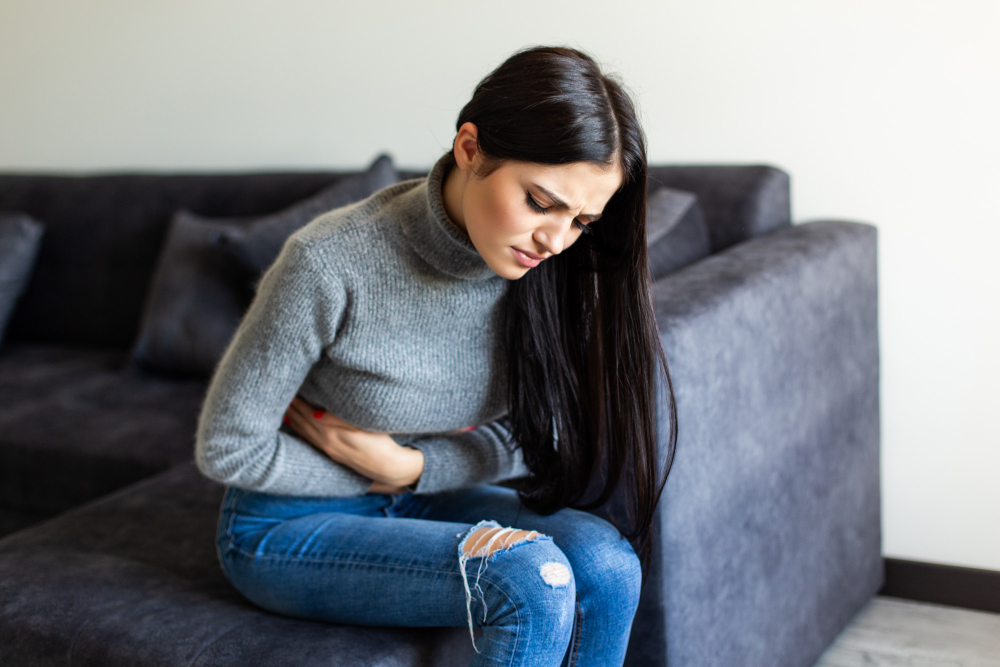
Polycystic Ovary Syndrome (PCOS) is a condition linked to hormonal imbalance. It affects millions of women worldwide and is a leading cause of issues related to reproductive and hormonal health.
Women with PCOS often experience irregular periods, acne, weight gain, and fertility challenges. The condition can also increase the risk of developing insulin resistance and type 2 diabetes later on.
Consider the example of a young working woman who noticed that her menstrual cycle had become quite irregular. Additionally, despite exercising regularly, she was unable to lose weight.
Upon consulting a doctor, she discovered that PCOS was the underlying cause of these issues. With lifestyle changes and appropriate medical guidance, many women can successfully manage this condition and improve their quality of life.
Thyroid problems often go undetected.
The thyroid gland plays a crucial role in metabolism and energy production. Unfortunately, thyroid issues are more common in women than in men.
An underactive thyroid can lead to symptoms such as fatigue, weight gain, dry skin, and depression. Conversely, an overactive thyroid can cause issues like anxiety, rapid heartbeat, excessive sweating, and unexplained weight loss.
Since thyroid symptoms often develop gradually, many women assume their discomfort is merely a result of aging or stress. Regular health screenings can help detect thyroid problems before they become serious.
Learn more about the Top 10 Simple Health Habits to Start in 2026.
Iron Deficiency and Anemia
Iron deficiency is one of the most common nutritional issues affecting women, particularly during their reproductive years.
Heavy menstrual bleeding, pregnancy, and an iron-poor diet can all lead to low iron levels in the body. When the body’s iron stores are depleted, it cannot produce enough healthy red blood cells, resulting in anemia.
A woman suffering from anemia may experience persistent fatigue, even after getting plenty of rest. Everyday tasks, such as climbing stairs or carrying groceries, can feel exhausting. Dizziness, pale skin, and shortness of breath are also common symptoms.
The good news is that iron deficiency can often be resolved through dietary changes and the use of appropriate supplements under medical supervision.
Mental Health Challenges in Modern Life

Mental health is just as important as physical health, yet it often receives less attention.
Many women face significant emotional pressure while trying to balance work, family responsibilities, financial concerns, and societal expectations. Over time, chronic stress can lead to anxiety, depression, burnout, and sleep problems.
Unlike physical injuries, emotional struggles are not always visible. A woman might appear successful and productive while internally grappling with immense stress and emotional exhaustion.
Adopting healthy coping mechanisms, maintaining strong social connections, and seeking professional help when needed can significantly improve mental well-being.
Bone Health and Osteoporosis
Bone health becomes increasingly important for women as they age. After menopause, a drop in estrogen levels can accelerate bone loss, thereby increasing the risk of osteoporosis.
In this condition, bones become weak, raising the risk of fractures. One of the challenges with osteoporosis is that symptoms often go unnoticed until a fracture occurs.
Maintaining strong bones requires proper nutrition, regular physical activity, and adequate intake of calcium and Vitamin D over the long term.
Women who prioritize bone health from an early age are often better protected against age-related bone loss.
Heart disease is not just a health issue affecting men.
Many people still primarily associate heart disease with men. However, cardiovascular disease (conditions affecting the heart and blood vessels) is one of the leading causes of death among women worldwide.
Symptoms of heart disease in women are sometimes not as distinct as the chest pain often seen in men. Women may experience extreme fatigue, shortness of breath, nausea, dizziness, or discomfort in the jaw, neck, or back.
Since the symptoms can be mild, women may delay visiting a doctor. To prevent the disease, it is essential to understand the risk factors and adopt habits that promote heart health.
A Quick Overview of Common Women’s Health Problems
| Health Condition | Common Signs | Recommended Action |
|---|---|---|
| Hormonal Imbalance | Mood swings, fatigue, acne | Medical evaluation and lifestyle improvements |
| PCOS | Irregular periods, weight gain | Weight management and professional treatment |
| Thyroid Disorders | Weight changes, low energy | Thyroid screening and treatment |
| Anemia | Weakness, dizziness | Iron-rich diet and medical guidance |
| Mental Health Issues | Stress, anxiety, depression | Counseling and stress management |
| Osteoporosis | Weak bones, fractures | Calcium, vitamin D, and exercise |
| Heart Disease | Fatigue, chest discomfort | Heart-healthy lifestyle and checkups |
Habits Beneficial for Women’s Health
Good health is rarely the result of a single action; rather, it is built through consistent daily habits.
Women who maintain a balanced diet rich in fruits, vegetables, whole grains, and lean protein obtain the nutrients essential for hormone production and overall well-being. Regular physical activity improves heart health, metabolism, and mental health.
Adequate sleep is equally important. During sleep, the body undergoes various repair and recovery processes, making it a crucial component of long-term health.
Managing stress should be viewed not as a luxury, but as a vital health priority. Activities such as walking, yoga, meditation, reading, or spending time with loved ones can help reduce stress and enhance the quality of life.
Conclusion
Women’s health is influenced by a combination of factors, including hormones, lifestyle choices, genetics, and the environment. Many common health issues affecting women begin with subtle early signs that often go unnoticed.
By recognizing the symptoms of hormonal imbalances and other early warning signs, women can take necessary steps before minor issues escalate into serious health problems.
By focusing on prevention, adopting healthy daily habits, and seeking medical advice when needed, women can maintain their physical and emotional well-being at every stage of life.
FAQs
What are the most common women health problems today?
Some of the most common concerns include hormonal imbalance, PCOS, thyroid disorders, anemia, osteoporosis, heart disease, and mental health challenges.
What are common hormonal imbalance symptoms?
Hormonal imbalance symptoms may include fatigue, irregular periods, acne, mood swings, weight changes, hair thinning, and sleep disturbances.
Can lifestyle changes improve women’s health?
Yes. Healthy eating, regular exercise, stress management, adequate sleep, and routine health checkups can significantly improve overall well-being.
At what age should women start regular health screenings?
Health screenings should begin in early adulthood and continue throughout life according to a healthcare provider’s recommendations.