
Table of Contents
Diabetes is one of the fastest-growing health issues worldwide. Millions of people are diagnosed with it every year, yet many remain unaware that they have the condition.
Early detection and proper care can help prevent serious complications such as heart disease, kidney damage, nerve problems, and vision loss.
Understanding diabetes causes and symptoms is the first step toward protecting your health. In this guide, we’ll explain the types of diabetes, common warning signs, risk factors, diagnosis, diabetes treatment, and practical prevention tips in simple language.
What is Diabetes?
Diabetes is a chronic condition that affects how your body uses blood sugar (glucose). Glucose is the primary source of energy for your body and comes from the food you eat.
Your pancreas produces a hormone called insulin, which helps transport glucose from your bloodstream into your body’s cells. When your body cannot produce enough insulin or use it effectively, glucose begins to accumulate in your blood, leading to diabetes.
Types of Diabetes
1. Type 1 Diabetes
Type 1 diabetes occurs when the immune system mistakenly attacks the insulin-producing cells in the pancreas.
Common characteristics:
- Usually develops in children and young adults
- Requires lifelong insulin therapy
- Cannot currently be prevented
- Symptoms often appear suddenly
2. Type 2 Diabetes
Type 2 diabetes is the most common form, accounting for nearly 90–95% of diabetes cases.
It develops when the body becomes resistant to insulin or doesn’t produce enough insulin.
Risk factors include:
- Obesity
- Lack of physical activity
- Poor diet
- Family history
- Increasing age
- High blood pressure
- High cholesterol
Many cases can be prevented or delayed through healthy lifestyle choices.
3. Gestational Diabetes
Gestational diabetes develops during pregnancy and usually disappears after childbirth.
However, women who have gestational diabetes have a higher risk of developing Type 2 diabetes later in life.
4. Prediabetes
Prediabetes means blood sugar levels are higher than normal but not high enough for a diabetes diagnosis.
Without lifestyle changes, many people with prediabetes eventually develop Type 2 diabetes.
Diabetes Causes and Symptoms
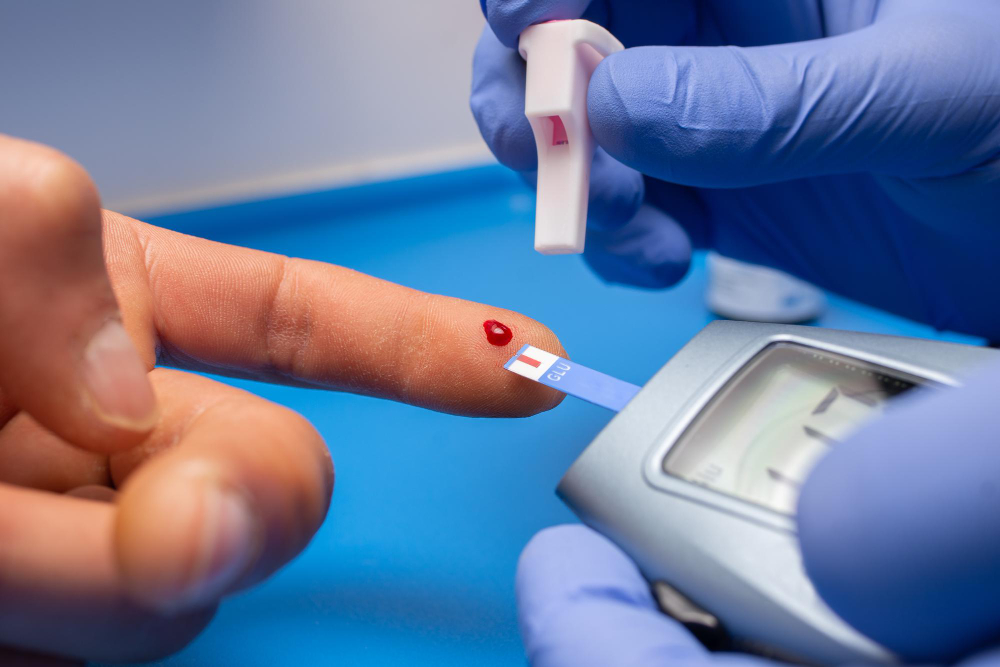
Knowing diabetes causes and symptoms helps detect the disease early before complications occur.
Common Causes of Diabetes
Several factors can contribute to diabetes, including:
- Genetics and family history
- Excess body weight
- Physical inactivity
- Unhealthy eating habits
- Hormonal disorders
- Autoimmune conditions
- Pregnancy
- Aging
- High blood pressure
- High cholesterol
Common Symptoms of Diabetes
Early symptoms may develop slowly, especially in Type 2 diabetes.
Watch for:
- Frequent urination
- Increased thirst
- Constant hunger
- Unexplained weight loss
- Fatigue
- Blurred vision
- Slow-healing wounds
- Frequent infections
- Tingling or numbness in hands and feet
- Dry skin
- Increased irritability
If you notice these symptoms, consult a healthcare professional promptly.
Who is at Higher Risk?
You may have a higher risk of diabetes if you:
- Are overweight or obese
- Are over 45 years old
- Have a family history of diabetes
- Have high blood pressure
- Have high cholesterol
- Have PCOS (Polycystic Ovary Syndrome)
- Had gestational diabetes
- Live a sedentary lifestyle
- Smoke regularly
How is Diabetes Diagnosed?
Doctors may recommend one or more blood tests:
Fasting Blood Sugar Test
Measures blood glucose after fasting for at least 8 hours.
HbA1c Test
Shows your average blood sugar level over the past 2–3 months.
Oral Glucose Tolerance Test (OGTT)
Measures how your body processes sugar after consuming a glucose drink.
Random Blood Sugar Test
Can help diagnose diabetes if symptoms are present.
Diabetes Treatment Options

Modern diabetes treatment focuses on controlling blood sugar while reducing the risk of complications.
1. Healthy Diet
A balanced diet plays a major role.
Include:
- Whole grains
- Fresh vegetables
- Fruits in moderation
- Lean proteins
- Healthy fats
- High-fiber foods
Limit:
- Sugary drinks
- Processed foods
- White bread
- Excess sweets
- Deep-fried foods
2. Regular Exercise
Physical activity improves insulin sensitivity.
Aim for:
- At least 150 minutes of moderate exercise weekly
- Walking
- Cycling
- Swimming
- Strength training
- Yoga
3. Medications
Doctors may prescribe:
- Oral diabetes medicines
- Injectable medications
- Insulin therapy (especially for Type 1 diabetes)
Always follow your doctor’s advice.
4. Blood Sugar Monitoring
Regular monitoring helps maintain healthy glucose levels and guides treatment adjustments.
5. Weight Management
Losing even 5–10% of body weight can significantly improve blood sugar control in many people with Type 2 diabetes.
6. Lifestyle Changes
Healthy daily habits include:
- Getting enough sleep
- Managing stress
- Avoiding smoking
- Limiting alcohol
- Staying hydrated
Learn more about the How to Boost Immunity Naturally and Prevent Common Illnesses.
Possible Complications of Untreated Diabetes
Poorly controlled diabetes can lead to:
- Heart disease
- Stroke
- Kidney disease
- Vision loss
- Nerve damage
- Foot ulcers
- Skin infections
- Dental problems
Early diagnosis and regular treatment can greatly reduce these risks.
Can Diabetes Be Prevented?
While Type 1 diabetes cannot currently be prevented, many cases of Type 2 diabetes can.
Prevention tips include:
- Maintain a healthy weight
- Exercise regularly
- Eat a balanced diet
- Reduce sugar intake
- Avoid smoking
- Get regular health checkups
- Control blood pressure
- Manage cholesterol levels
Living Well with Diabetes
Many people live long, healthy, and active lives with diabetes by:
- Taking medications as prescribed
- Following a healthy eating plan
- Exercising consistently
- Monitoring blood sugar regularly
- Attending routine medical checkups
- Managing stress effectively
Small daily habits make a significant difference over time.
Conclusion
Diabetes is a manageable condition when detected early and treated properly. Understanding diabetes causes and symptoms allows you to recognize warning signs before serious complications develop.. With proper diabetes treatment, a balanced diet, regular exercise, regular checkups, and consistent medical care, people with diabetes can maintain good health and lead an active lifestyle.
If you have risk factors or develop symptoms, get a health checkup and talk to your healthcare provider about the best management plan. Taking action early can have a huge impact on your long-term health.
FAQs
What are the early warning signs of diabetes?
Common early signs include increased thirst, frequent urination, fatigue, blurred vision, increased hunger, and slow-healing wounds.
Can Type 2 diabetes be reversed?
Some people can achieve remission through weight loss, healthy eating, regular exercise, and medical supervision. However, ongoing lifestyle management remains important.
Which foods should diabetics avoid?
Limit sugary drinks, sweets, refined carbohydrates, processed snacks, and foods high in saturated fats.
Is diabetes hereditary?
Family history increases the risk, but lifestyle factors also play a major role in developing Type 2 diabetes.
When should I see a doctor?
If you experience persistent symptoms such as excessive thirst, frequent urination, unexplained weight loss, or blurred vision, seek medical advice as soon as possible.